TAKE ACTION!
Learn more about ACP’s campaigns and ways you can take action!
Vote for the ocean
Current Campaigns
-
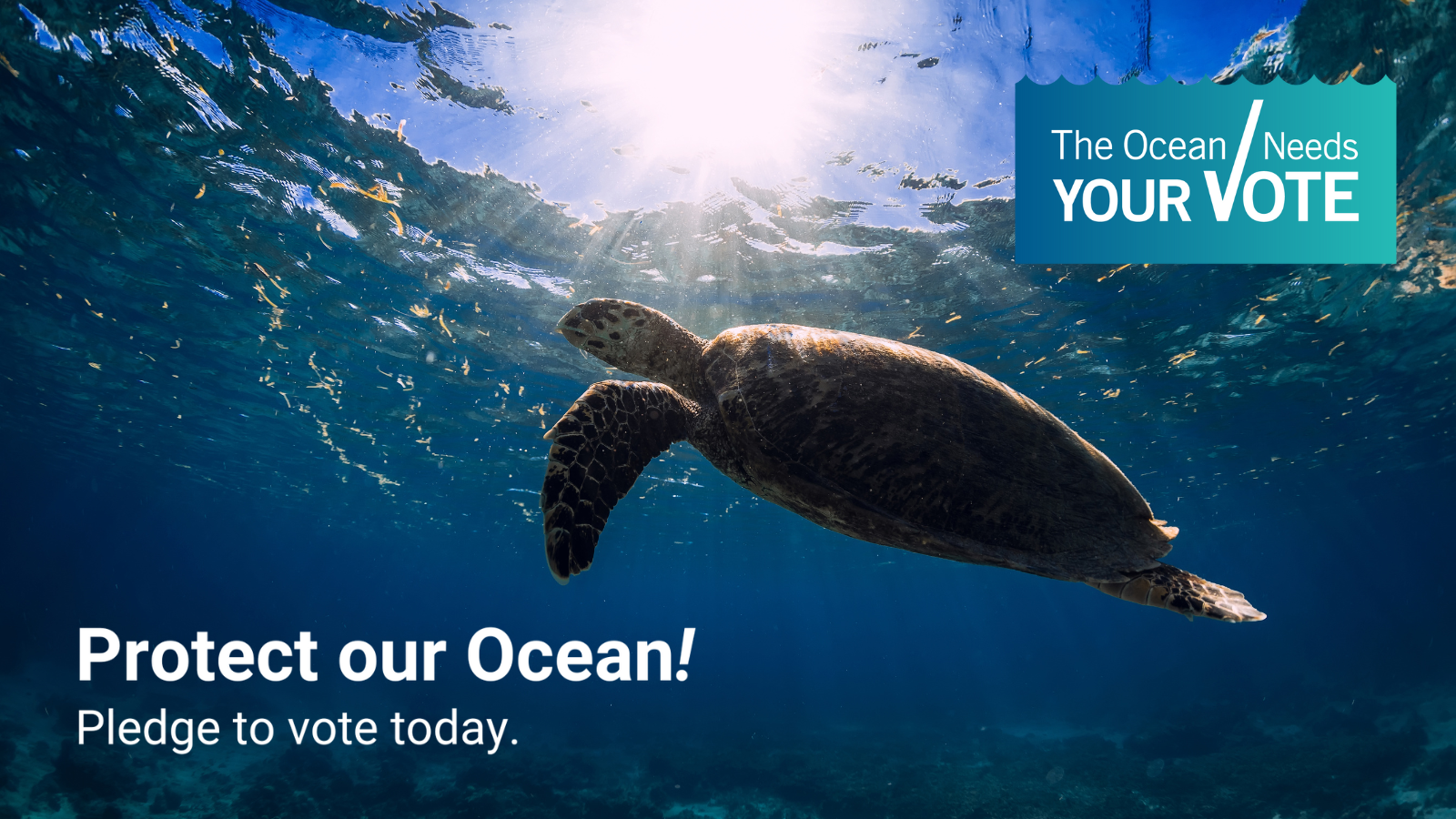
A healthy and resilient ocean depends on the decisions you make on your ballot. Use your vote to be the voice for our ocean that sustains diverse communities of people and wildlife!
Voting gives us the power to choose leaders who can make decisions to protect our ocean, our air and water, conserve the natural places and wildlife we love, and ensure our communities have a voice in the decision-making process.
Healthy communities depend on healthy oceans, coasts, lakes and rivers. By exercising your right to vote — all the way down the ballot, from national to local — you can help protect these special places, the people who depend on them and the animals that live in them.
-

Exploring our chaning ocean: impacts and response to ocean acidification in the U.S.A.
-
Exploring Our Changing Ocean: Impacts and Response to Ocean Acidification in the U.S.A. is a collaborative OA communications project between the Aquarium Conservation Partnership, the OA Alliance, and NOAA’s Ocean Acidification Program.
The ocean has absorbed approximately 90% of excess heat and 25% of the carbon dioxide emissions released into the atmosphere by humans. This increased carbon pollution has consequences for our ocean.
Working together, project partners are advancing communications about climate-ocean changes occurring regionally in the U.S. by presenting localized information on unique impacts, responses, and calls to action taking shape across the country.
By regionalizing information and storytelling, “Exploring Our Changing Ocean: Impacts and Response to OA” is supporting education, outreach and calls to action that associated aquarium partners and science institutions can utilize across their larger climate change narratives and outreach efforts.
-

ACT FOR THE ENDANGERED SPECIES ACT (ESA)
-
The Endangered Species Act (ESA) is a critical piece of environmental legislation enacted in the United States to protect endangered and threatened species and their habitats. The ESA aims to prevent the extinction of these species by identifying and listing them as endangered or threatened, and it provides legal measures to safeguard their survival, such as habitat conservation and restrictions on harmful activities. Through its implementation, the act seeks to maintain biodiversity, promote species recovery, and foster a balanced ecosystem.
The ESA Amendments Act of 2025 would end protections for species that we care about and help with recovery including manatees, sea turtles, whales, otters, and much more. -
from creeks to coastS
-
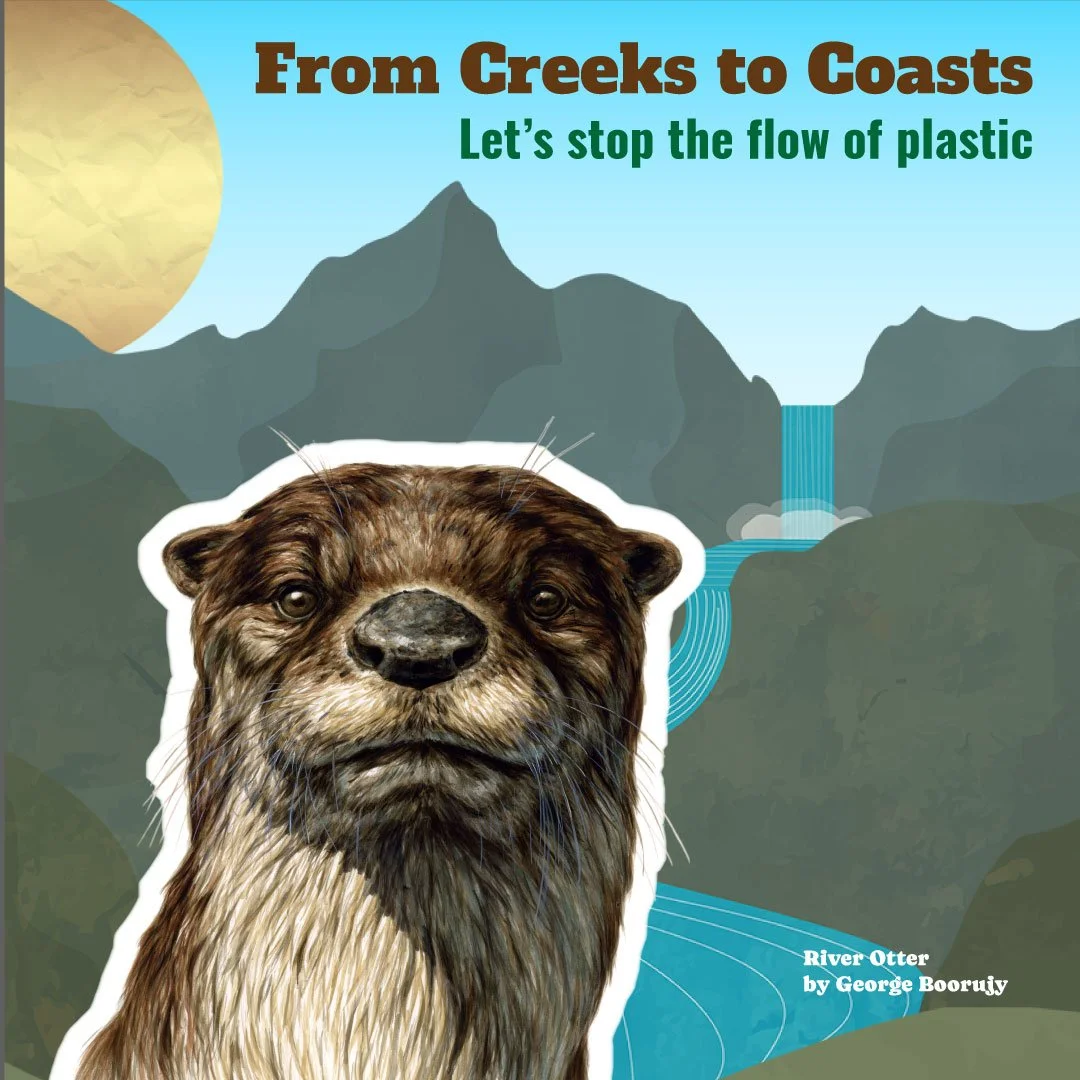
This campaign is the culmination of a 2025 award supported by the National Oceanic and Atmospheric Administration (NOAA) Marine Debris Program and coincides with Plastic-Free July, a global movement encouraging people to reduce their reliance on single-use plastic.
The campaign’s central message is simple: every action upstream matters downstream. Whether someone lives near the coast or hundreds of miles inland, waterways connect communities to the ocean. Plastic pollution travels through storm drains, creeks, rivers, and lakes before ultimately reaching marine ecosystems, making plastic pollution a challenge that affects everyone.
“Plastic pollution continues to impact ocean and freshwater ecosystems, wildlife, human health, and communities around the world,” said Kim McIntyre, Executive Director of the Aquarium Conservation Partnership. “From Creeks to Coast helps people understand that their everyday choices matter and demonstrates how aquariums are leading by example through meaningful reductions in single-use plastic, partnerships with businesses, and activities that address plastic pollution at its source.”
The campaign combines digital storytelling, educational exhibits, community engagement, and practical actions that individuals can take to reduce waste and support healthier waterways. Through the campaign microsite, visitors can learn how plastic enters aquatic ecosystems, discover the impacts of plastic and microplastic pollution, explore what aquariums are doing to reduce plastic use, and take action in their own communities.
“Tackling an issue as widespread and complex as plastic pollution requires more than individual action—it demands collective effort,” said McIntyre. “By bringing together aquariums, zoos, communities, and businesses across the country, we can drive meaningful, lasting change. Collaboration at this scale not only amplifies impact but also inspires others to join in creating a healthier, more sustainable future for our planet.”
As part of the NOAA-funded initiative, seven ACP member institutions received sub-awards to create educational exhibits and signage that showcase plastic reduction efforts and reusable systems within their facilities. Participating institutions include California Academy of Sciences, The Florida Aquarium, Kansas City Zoo & Aquarium, The Maritime Aquarium at Norwalk, National Mississippi River Museum & Aquarium, Seattle Aquarium, and Shedd Aquarium.
The Kansas City Zoo & Aquarium is excited to welcome visitors to Sobela Ocean Aquarium where a combination of art and signage help to convey the importance of ocean health and inspire guests to take actions to preserve the natural world.
Through its ECHO Choice program, The Maritime Aquarium at Norwalk's teen volunteers are inspiring community-wide action to reduce single-use plastics by partnering with local restaurants and their customers to make daily sustainable choices that prevent marine debris from reaching Long Island Sound.
The National Mississippi River Museum & Aquarium is launching an interactive outdoor sculpture and debris receptacle designed to engage visitors in pollution reduction through striking visual art and hands-on conservation messaging.
Through new wall signs and café tabletop messages, the Seattle Aquarium connects guests to its conservation mission and inspires everyday actions to reduce plastic pollution and marine debris.
With a view of Lake Michigan in sight, new trays in Shedd Aquarium’s food court, a children’s activity sheet and compostable paper products raise awareness of our shared responsibility to protect the water that connects us and invites guests to take action.
Steinhart Aquarium at California Academy of Sciences has reimagined its Northern California Coast: Dive Deeper exhibit to engage visitors in understanding the impacts of marine plastic pollution and microplastics through enhanced storytelling, interactive experiences, and actionable conservation solutions.
The Florida Aquarium is utilizing AI-powered recycling bins called Oscar Sort to help guests correctly dispose of trash and recyclables. The aquarium features four of these interactive bins with messaging, which have dramatically improved waste-sorting accuracy and visitor engagement across the campus.
The campaign also highlights ACP’s collective efforts to reduce plastic use across aquarium operations. Through shared commitments, member institutions are working to eliminate single-use plastic dining ware, reduce plastic packaging in retail operations, and decrease operational plastic use behind the scenes. The initiative includes a public-facing plastic dashboard developed in partnership with Verdis Group that tracks and communicates progress toward these goals.
-
-

Energize for the ocean
-
Energize for the Ocean is an upcoming campaign aimed to inspire, encourage, and enable aquarium visitors to take climate action!
-
Our energy choices can help the ocean. The future of our ocean, our climate, and our communities depends on the energy choices that we make, together!
Aquariums are taking action, and so can you! Join us in taking ocean-saving actions from home.
Past Campaigns

No time to waste!
-
Current plastic production, use, and disposal practices aren’t sustainable and cause significant harm to human health, the environment, and the economy, while driving deep societal injustices. We can solve this problem, and we need strong leadership from the international community – especially the United States – to reduce the amount of plastic produced at every stage of the plastic life cycle.
We can turn off the tap on plastic pollution - but we must take action now. On April 23, leaders from 175 countries are coming together to negotiate a landmark agreement to create the world’s first-ever Global Plastic Treaty, and we are asking you to.
-
Total signatures: 3,923
First step
-
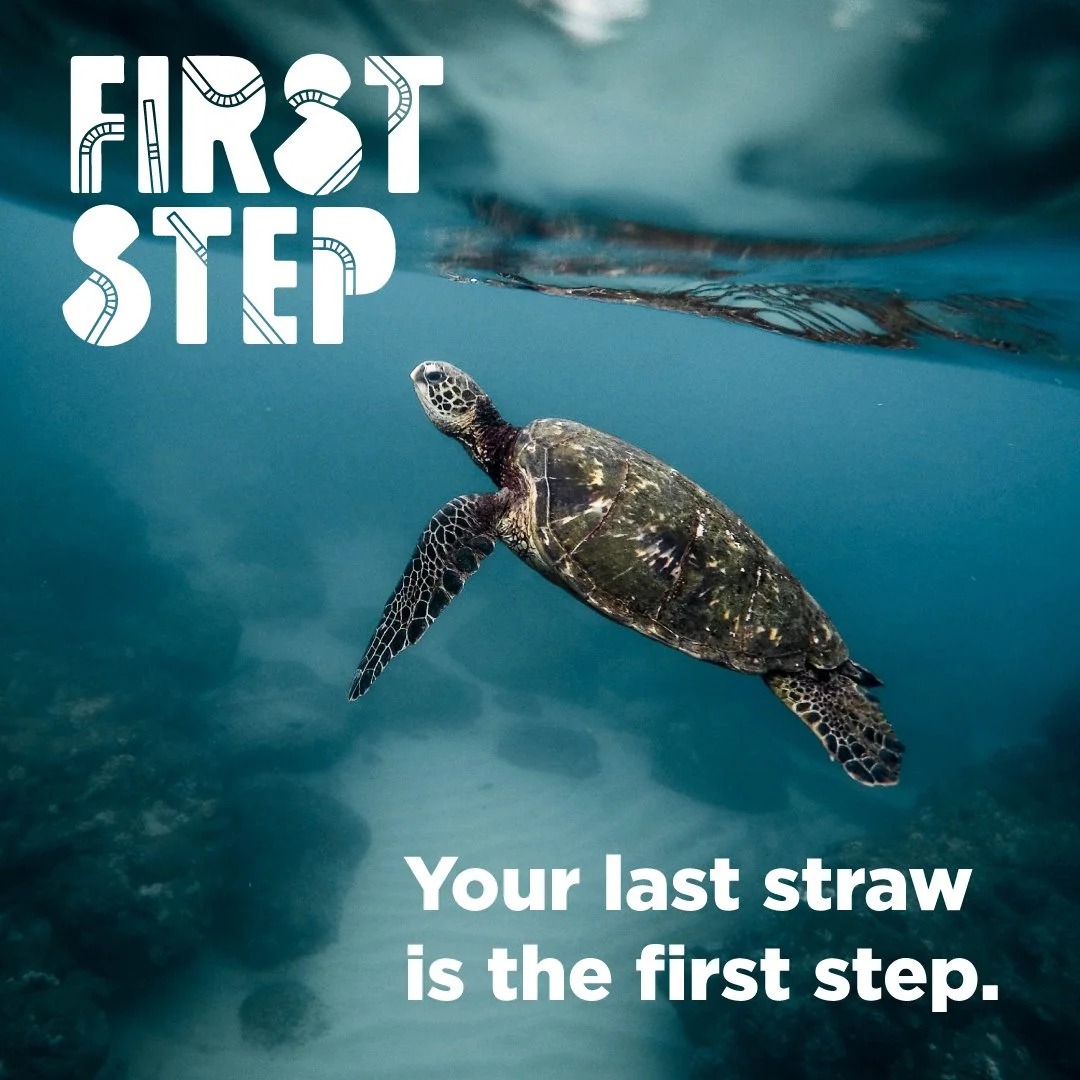
The goals of ACP’s 2018 “First Step” campaign were to:
1. Increase consumer awareness of and demand for alternatives to single-use plastic.
2. Reduce the unnecessary use of single-use plastic straws by individuals and businesses.
3. Strengthen the leadership role of aquariums as effective advocates for ocean and freshwater
health.
Through this campaign, over 700 businesses and 100,000 people joined ACP to reduce plastic!
-

In Our Hands
-
ACP’s first campaign, “In Our Hands”, ran in summer 2017 to announce our joint commitment to reduce single-use plastic products and packaging in our aquariums and to rally consumers to build market demand for innovative alternatives. We reached over 120 million people through media coverage and social media.
-

National Marine Sanctuaries 50th Anniversary
-
On October 23, 2022, aquariums across the United States celebrated the 50th anniversary of the National Marine Sanctuary System. Our fifteen national marine sanctuaries - from the Florida Keys to Stellwagen Bank, from Thunder Bay to Monterey Bay - are home to extraordinary species and some of the nation’s most iconic seascapes.
-

The endangered species act 50th anniversary
-
The 50th-year anniversary of the ESA marks a momentous milestone in environmental conservation and wildlife protection. Over the past five decades, this landmark legislation has played a vital role in safeguarding endangered and threatened species and preserving critical habitats. The anniversary serves as a testament to the collective efforts of conservationists, scientists, policymakers, and communities who have collaborated to protect numerous species on the brink of extinction. Various events, educational campaigns, and initiatives are being organized nationwide to celebrate this significant achievement and raise awareness about the importance of preserving endangered species and their habitats.
-
(Campaign Materials No Longer Active)

Flippers off imls!

Protect CLimate Science, Protect our Future!
-
The Institute of Museum and Library Services (IMLS) is the primary federal agency responsible for helping museums connect people to information and ideas. The mission of IMLS is to advance, support, and empower America’s museums, libraries, and related organizations through grantmaking, research, and policy development. Its Office of Museum Services (OMS) supports all types of museums - including aquariums and zoos - by awarding grants that help them educate students, preserve and digitize collections, and connect with their communities. Despite its small size, the IMLS Office of Museum Services is the largest dedicated source of investment in our nation’s museums. Funding for IMLS is authorized by Congress through an annual appropriations process. In 2024, IMLS provided $266.7 million to America’s libraries, museums, and cultural institutions through grants, policymaking, and research. Since 2020, at least 31 AZA institutions have received grants from IMLS totaling more than $15 million (including 12 ACP members receiving more than $4.6 million).
On March 14, 2025, President Trump issued an Executive Order on the reduction of “Federal Bureaucracy” directing the elimination of the IMLS, stating that itmust be reduced to its "statutory functions.” It requires that “non-statutory components and functions …shall be eliminated to the maximum extent consistent with applicable law.” By March 21, the head of IMLS is required to submit a report to the Director of the Office of Management and Budget confirming full compliance with this order and explaining which components or functions of the governmental entity, if any, are statutorily required and to what extent.
On March 31, the entire Institute of Museum and Library Services (IMLS) staff was placed on administrative leave as a follow up to the executive order from March 14. Read AAM's statement. Placing the entire staff on administrative leave raises questions as to whether the agency will be able to fulfill its legal obligations to disperse congressionally appropriated funding, leaving museums, libraries, and communities across the country at risk of losing vital resources.
-
-
There is overwhelming scientific evidence demonstrating the role of greenhouse gas pollution in driving climate change and its dangers to public health, including increased extreme weather, health risks, and economic costs.
The Environmental Protection Agency has a clear mission: to protect people and the environment. However, it is now using discredited claims to undermine the nation’s ability to respond to the climate crisis – putting our lives and livelihoods at risk.
The EPA is taking steps to undo the Endangerment Finding, a 2009 determination - based on decades of scientific research from hundreds of scientists - that greenhouse gas pollutants endanger public health and welfare. With that science guiding their work for more than 15 years, the EPA has reduced toxic pollution from power plants, cars and trucks, and oil and gas operations—ensuring cleaner air, safer communities, and more vibrant economies.
This potential repeal ignores the clear link between pollution and the rising climate dangers Americans see and feel every day: ranging from extreme weather and natural disasters, to health consequences like asthma and heart disease, to economic consequences like lost crops and rising costs. Increased carbon pollution also has consequences for our ocean - directly harming marine life, fisheries, coastal communities, and ocean-based economies.
At a time when all hands should be on deck to protect communities from weather disasters and rising pollution, the federal government is denying the irrefutable fact that climate change exists and is a threat to all Americans.
-